
Experience culture
Jerez de la Frontera is a city rich in history, culture, and tradition, located in the province of Cádiz, in the region of Andalusia. This unique destination combines impressive architecture, centuries-old traditions, and a world-renowned wine scene.
From the majestic Alcázar de Jerez, which conveys centuries of history and offers panoramic views of the city, to the centuries-old wineries that produce the famous sherry wine, every corner has a story to tell and an experience to live. Strolling through its cobbled streets, discovering charming squares, and listening to the vivid aromas of local cuisine immerses you in the perfect blend of past and present.
If you are planning your visit, here is a guide to the 16 must-see places to make the most of your trip to Jerez de la Frontera.
1. Arenal Square
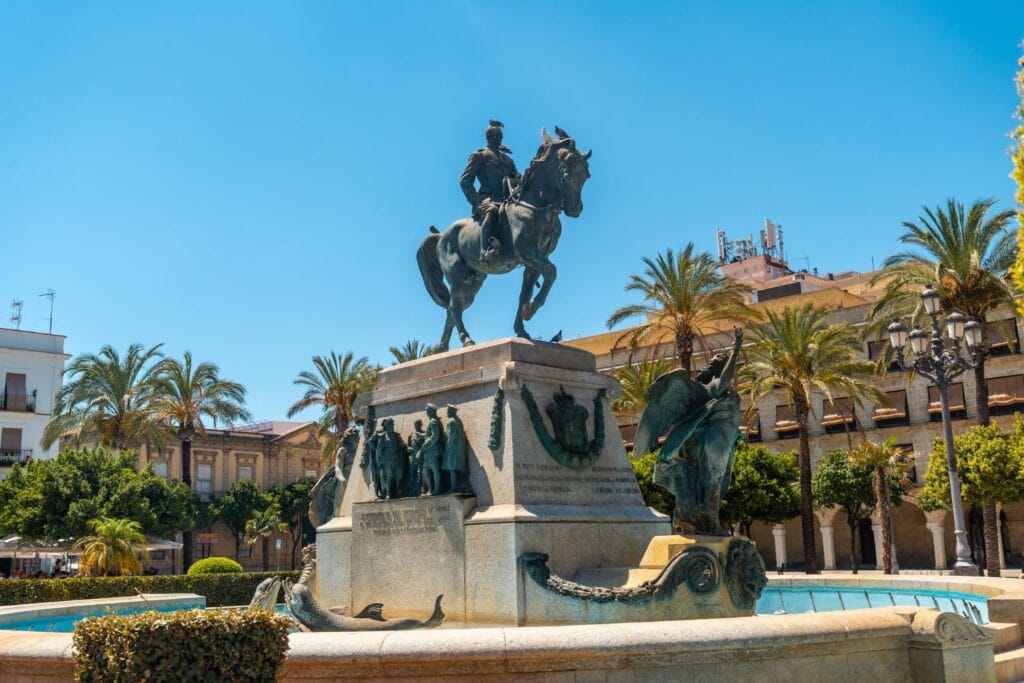
The large main square in Jerez has been the heart of the city’s social and commercial life for centuries. In medieval times, it was the scene of jousts and tournaments, and today it is a meeting place full of bars, cafes, and atmosphere.
In the center stands the equestrian statue of Miguel Primo de Rivera, and around it you will find stately buildings and palaces that show the wealth of Jerez in the 18th and 19th centuries thanks to the wine trade.
2. Alcázar of Jerez
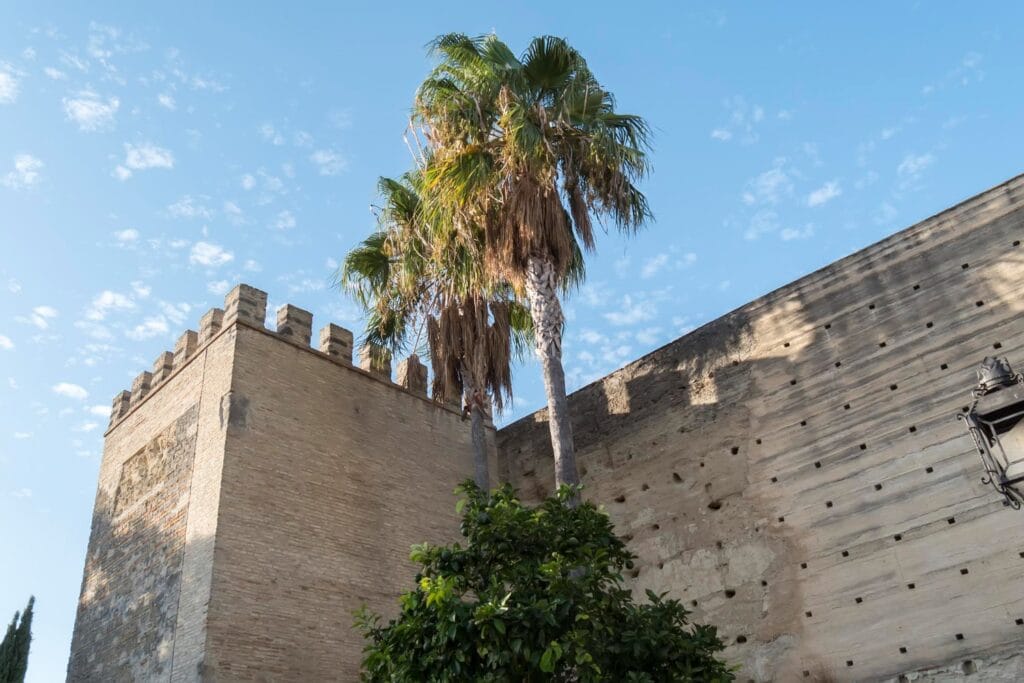
An 11th-century Almohad fortress. Strolling through its walls, towers, and gardens transports you back to the Muslim era. It still preserves Arab baths, a mosque converted into a chapel, and typical Andalusian courtyards.
From the Torre del Homenaje (Tower of Homage), you can enjoy one of the best panoramic views of Jerez. What’s more, the complex is specially lit up on summer nights, creating a magical atmosphere that connects with the city’s Islamic and Christian past.
3. Jerez Cathedral
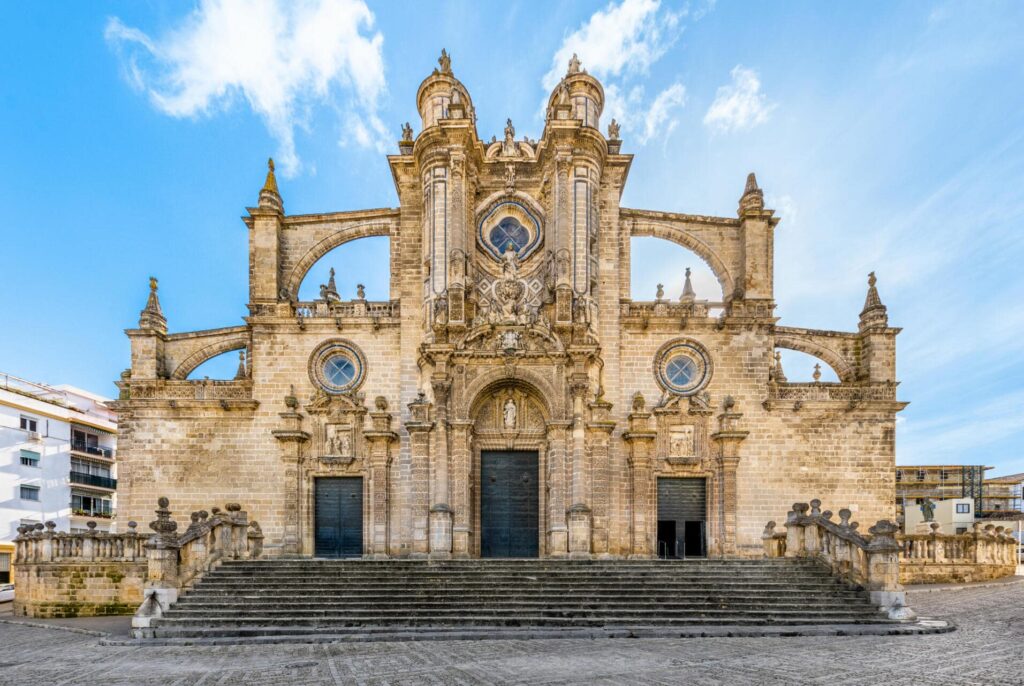
Also known as the Cathedral of San Salvador, it is one of the great symbols of Jerez. It was built in the 17th century on the site of the former main mosque and combines several styles: Gothic, Baroque, and Neoclassical. Its large dome, visible from many points in the city, is one of its emblems.
Inside, you will find valuable works of art, such as the Cristo de la Viga, a highly revered medieval carving. In addition, the bell tower, separate from the main body, was originally an Islamic minaret, reflecting the city’s multicultural history.
4. Church of San Miguel, San Dionisio, and San Marcos
The Basilica of San Miguel is one of the most representative churches in Jerez de la Frontera. Its construction began in 1484 and continued for several centuries, which explains the presence of different architectural styles: late Gothic in the main structure, Renaissance elements in some chapels, and Baroque in the main altarpiece. If you want to visit the Church of San Miguel, click here.
It is a large building, which was declared a Site of Cultural Interest in 1931. It is often considered the city’s “second cathedral” due to its monumental size. Highlights include the Chapel of the Tabernacle, built in the Sevillian Baroque style, and the artistic richness of its liturgical furnishings.
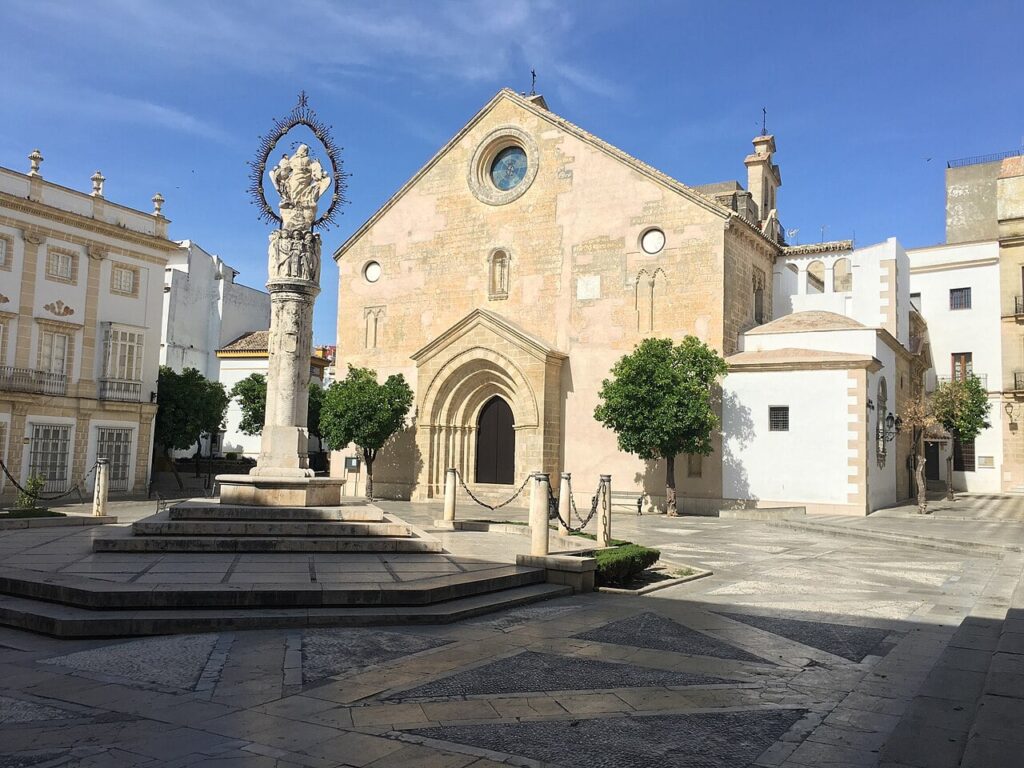
The Temple of San Dionisio was built in 1264 after the reconquest of the city by Alfonso X the Wise. It is dedicated to the patron saint of Jerez, San Dionisio, and was built on the site of an old mosque. Its architecture is Gothic-Mudejar in style, with decorated pillars and arches that show Islamic influence.
The building has a basilica floor plan with three naves and is accompanied by the Torre de la Atalaya tower, which was originally part of the urban defense system. It was declared a National Historic-Artistic Monument in 1964. Every October 9, it hosts the main events of the patron saint’s festival, becoming a symbol of local identity.
The Church of San Marcos is located in the heart of the old town, next to Plaza del Arenal and Plaza de San Marcos. It is one of the oldest churches in the city, with a medieval feel and later touches that tell the story of Jerez in every stone. Its construction combines styles from different periods, with walls that show the passage of time and windows that let in light. Inside, you can see vaults and columns that tell the religious and social history of Jerez, reflecting periods of prosperity and cultural change.
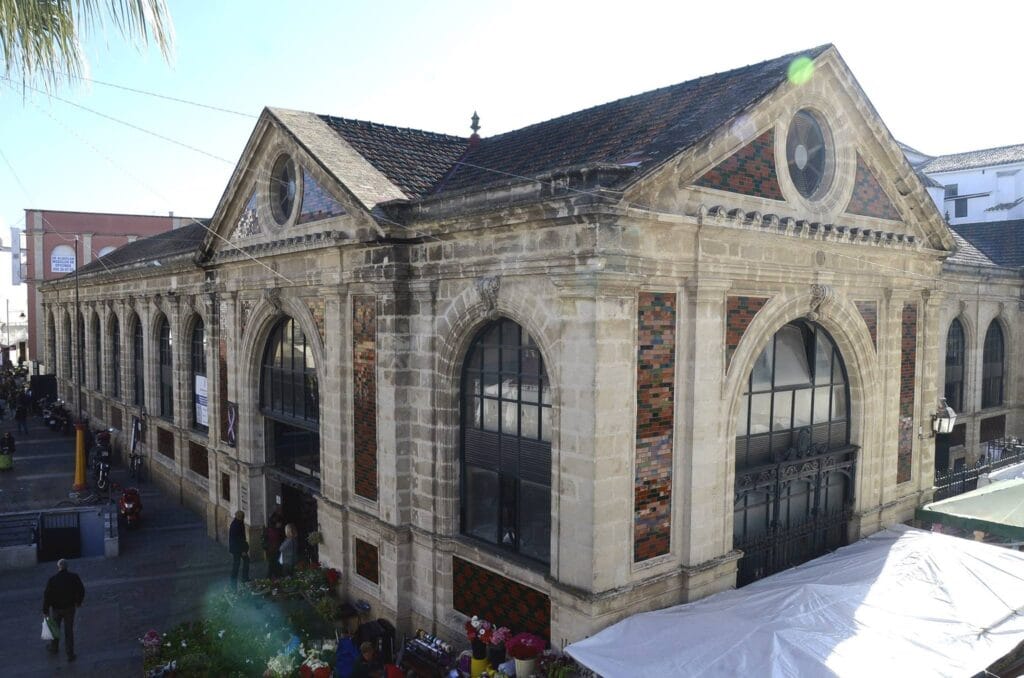
5. Central Food Market
This complex, popularly known as “La Plaza,” was inaugurated in 1885 on the site of the former San Francisco convent. Its neoclassical design incorporates stone, iron, and ceramics, and still retains original ornamental details.
It currently has more than a hundred stalls selling fresh produce such as fish, meat, fruit, vegetables, and baked goods. It serves a dual purpose: commercial and heritage, as it is a social and cultural meeting place that keeps the gastronomic traditions of Jerez alive.
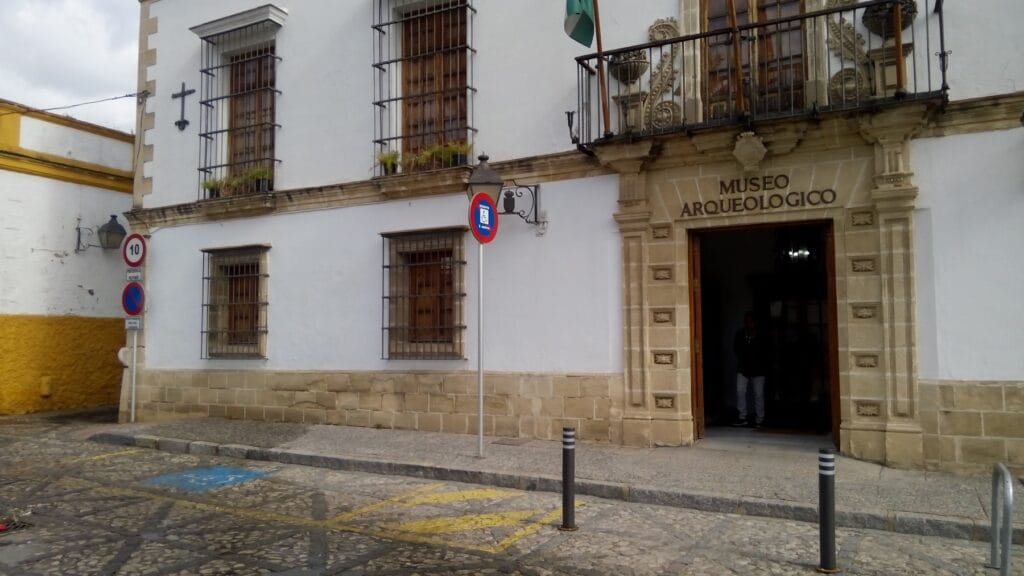
6. Archaeological Museum of Jerez
This historic center is located in the Market Square and houses artifacts that tell the story of the city from prehistoric times to the modern era. Among its treasures is the “Casco de Jerez,” a Greek bronze helmet that is unique in the Iberian Peninsula.
The site also displays Roman, Arab, and medieval remains, providing insight into the cultural richness of Jerez as a crossroads of civilizations. It is an ideal place for lovers of history and archaeology.
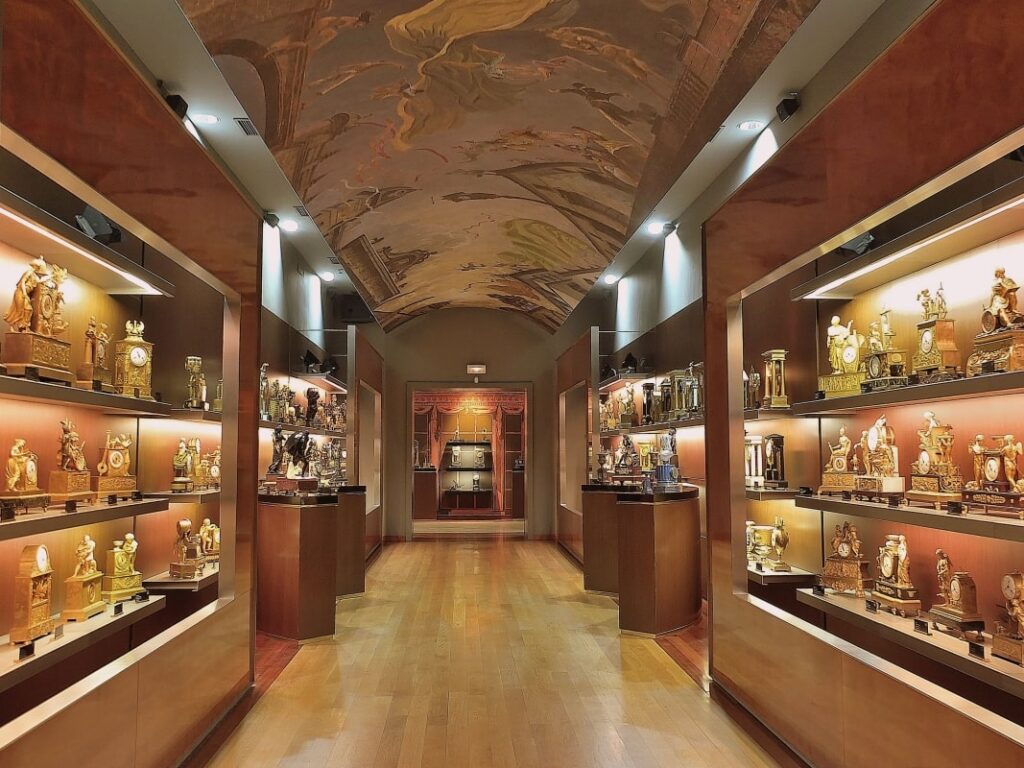
7. Clock Museum
Located in the Atalaya Museums, the Palacio del Tiempo houses one of the most valuable collections of antique clocks in Europe. Since 1973, this space has exhibited nearly 300 pieces from the 17th to 19th centuries, many of which are still in working order.
The exhibition includes works of French and English origin, with styles ranging from Louis XIV to the Victorian era. Every hour, synchronized chimes offer a unique sound experience. The guided tour allows visitors to appreciate wall, table, and pedestal clocks, some inlaid with semi-precious stones and fine woods such as ebony and mahogany.
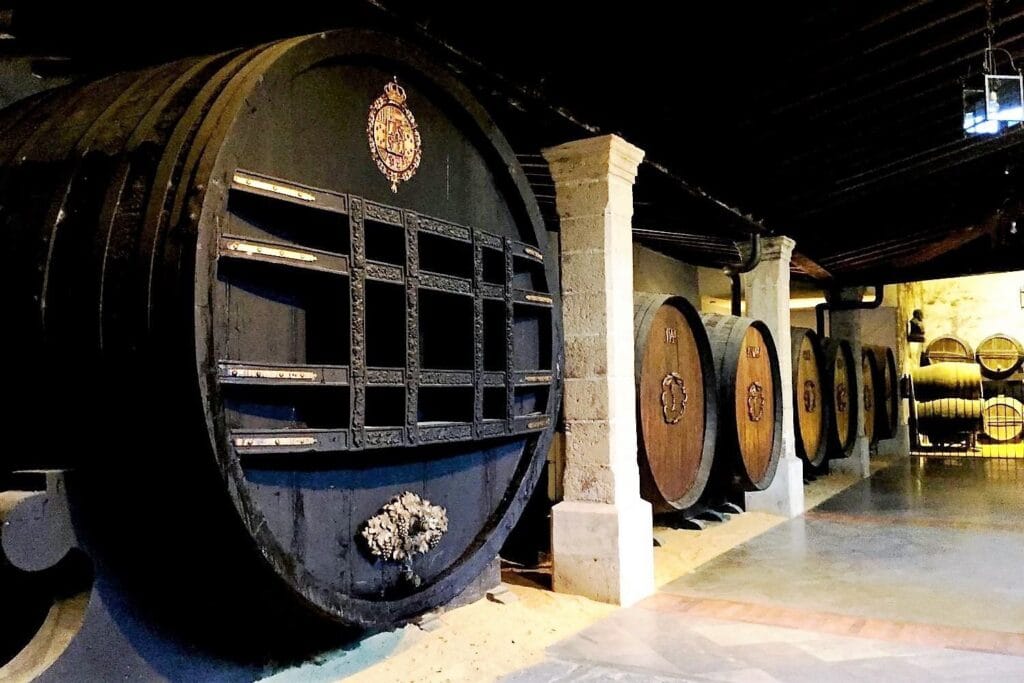
8. Sherry Cellars
Wineries are veritable temples of wine, and visiting them is a must. Many of them, such as González Byass, offer tours of their wine cathedrals, where you can learn about the solera and criadera system, which is unique in the world.
In addition to tasting the famous sherry in its different varieties (fino, amontillado, oloroso, Pedro Ximénez…), the visit immerses you in the wine-making tradition that has made the city world-famous.
Jerez is a must-see destination for wine tourists, with wineries such as Tío Pepe, Álvaro Domecq, Fundador, and Lustau offering guided tours and tastings. Learn about the sherry-making process and sample its characteristic varieties.
9. Jerez Botanical Zoo
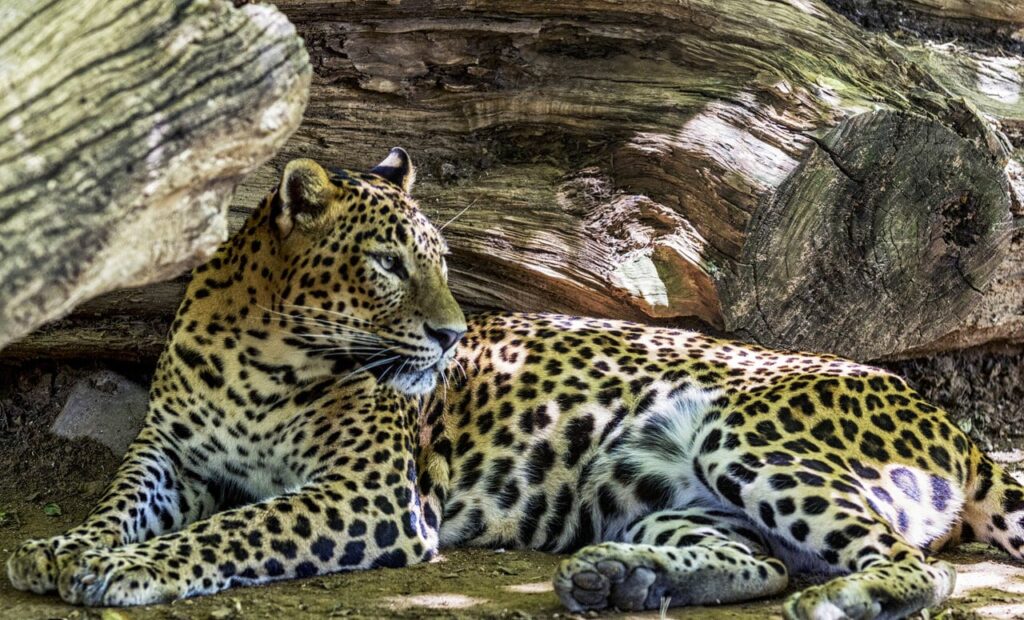
Also known as the Alberto Durán Biodiversity Conservation Center, it is one of the main zoos and botanical gardens in southern Spain. Located on Madreselva Street, on the outskirts of the old town of Jerez de la Frontera, the park covers an area of 65,000 m² and is home to more than 1,000 animals belonging to nearly 200 species, many of which are endangered.
10. Royal Andalusian School of Equestrian Art
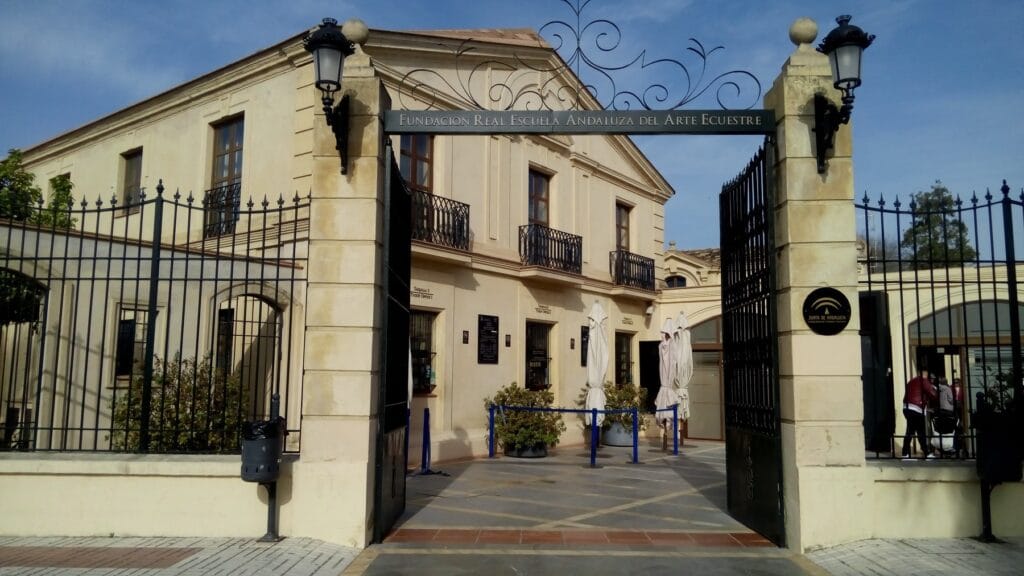
Jerez is synonymous with horses, and the Royal School is the best proof of this. This center is dedicated to the preservation and promotion of equestrian art, with shows such as Cómo bailan los caballos andaluces (How Andalusian Horses Dance), which combine music, dressage, and elegance.
The grounds include gardens, stables, and a 19th-century palace. This is where the Carthusian horse, one of Andalusia’s purest and most emblematic breeds, is trained. It is a unique experience that combines tradition, culture, and animal beauty.
11. Jerez Circuit
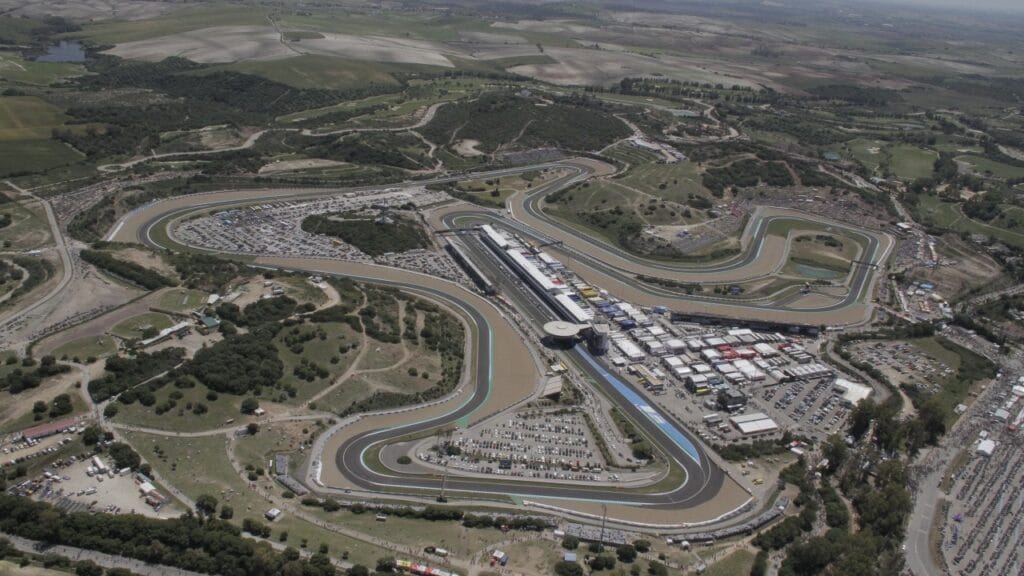
Since its inauguration in 1985, this track has witnessed some of the most exciting moments in the world of motor racing. Since 1987, it has hosted the Spanish Motorcycle Grand Prix every year without interruption, becoming an unmissable event for lovers of two wheels.
Legendary riders such as Ángel Nieto, Valentino Rossi, and Marc Márquez have left their mark on its curves, and the atmosphere during race weekend is considered one of the most vibrant on the world calendar.
Beyond the competition, this enclave has been a cultural and economic driving force for the region. In 2025, it will celebrate 40 years of history with exhibitions, conferences, and tributes that recall how a local dream became an international icon.
12. Holy Week
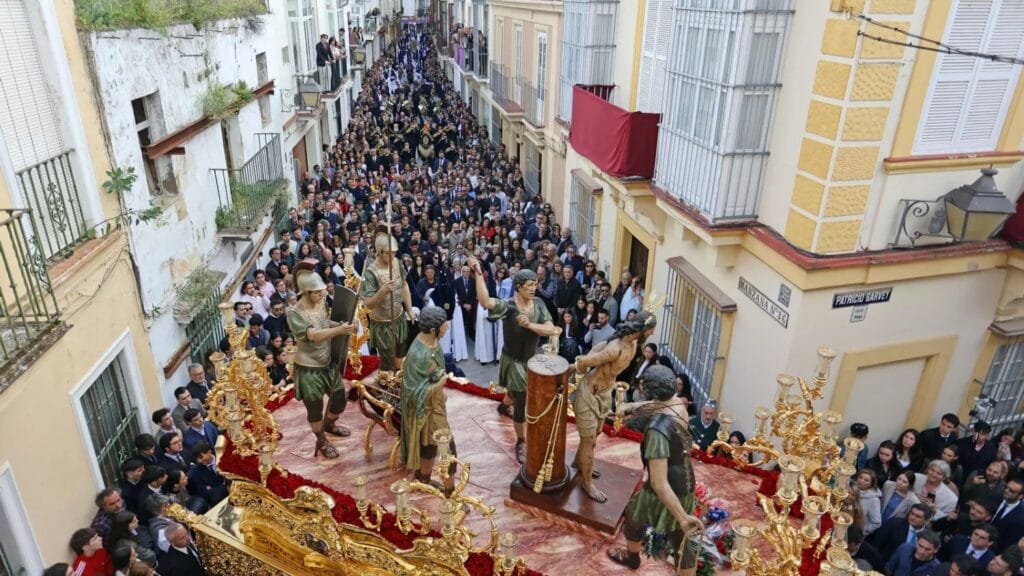
Declared a Festival of National Tourist Interest, Holy Week in Jerez is one of the most notable celebrations in Andalusia. Its 48 brotherhoods parade through the streets in processions that combine religious fervor, the sound of bands, and an atmosphere charged with solemnity and emotion.
Each step is a work of art in motion, with images carved by great sculptors. The contrast between devotion and aesthetic beauty makes this festival an overwhelming experience for visitors.
13. Horse Fair
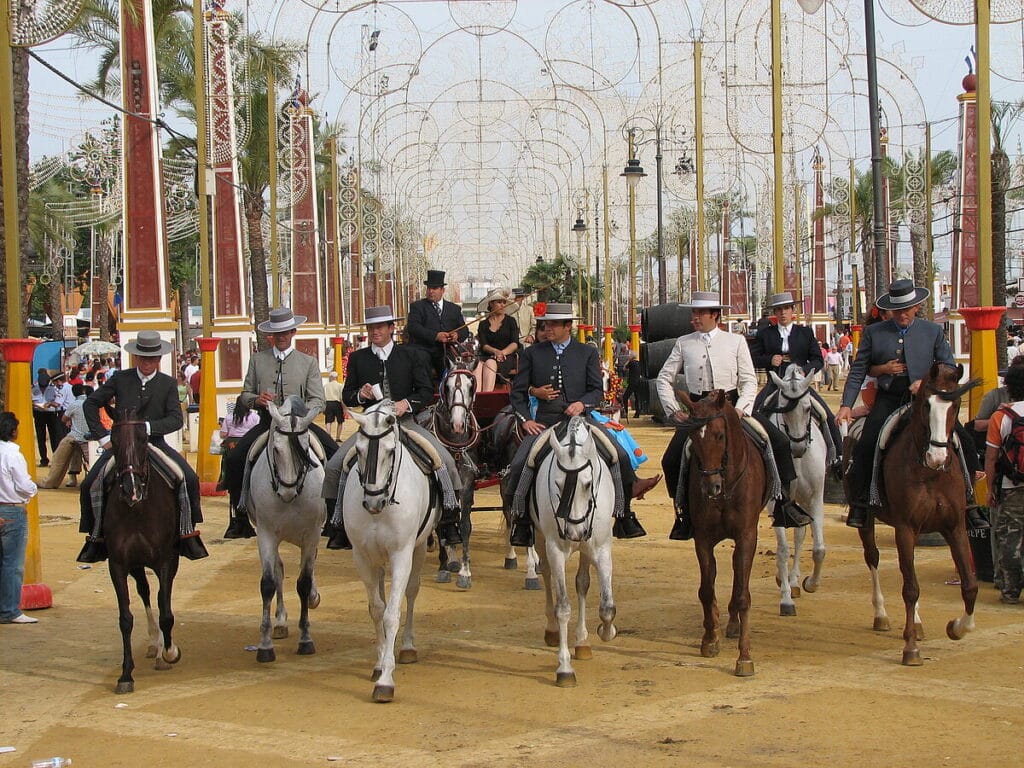
Held in May, this is Jerez’s biggest festival and has been declared of International Tourist Interest. For a week, González Hontoria Park is filled with marquees, horses, carriages, and flamenco.
It is the perfect time to enjoy the local cuisine, sherry, and festive atmosphere. The fair retains its elegant and traditional character, with riders dressed in traditional costumes parading on horseback.
14. Tío Pepe Festival
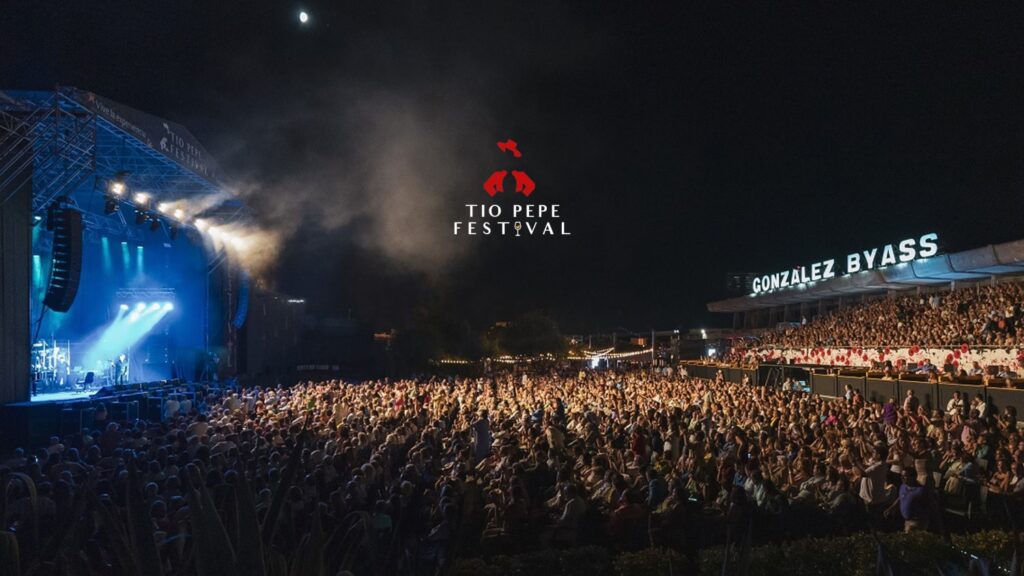
It was founded in the summer of 2014 with the aim of offering a unique cultural space and a privileged meeting place in the Jerez area (and, by extension, the Bay of Cádiz), based on providing a multiple and exclusive sensory experience, closely linked to the winery and wine, tradition, culture, and gastronomy.
During July and August, Jerez offers an attractive cultural program, including the Tío Pepe Festival, a musical event renowned for the quality of the national and international artists it brings together, established as one of the most attractive leisure events in the province. An event featuring the best music, sherry wines, and cuisine—don’t miss Jerez this summer.
15. Harvest Festival
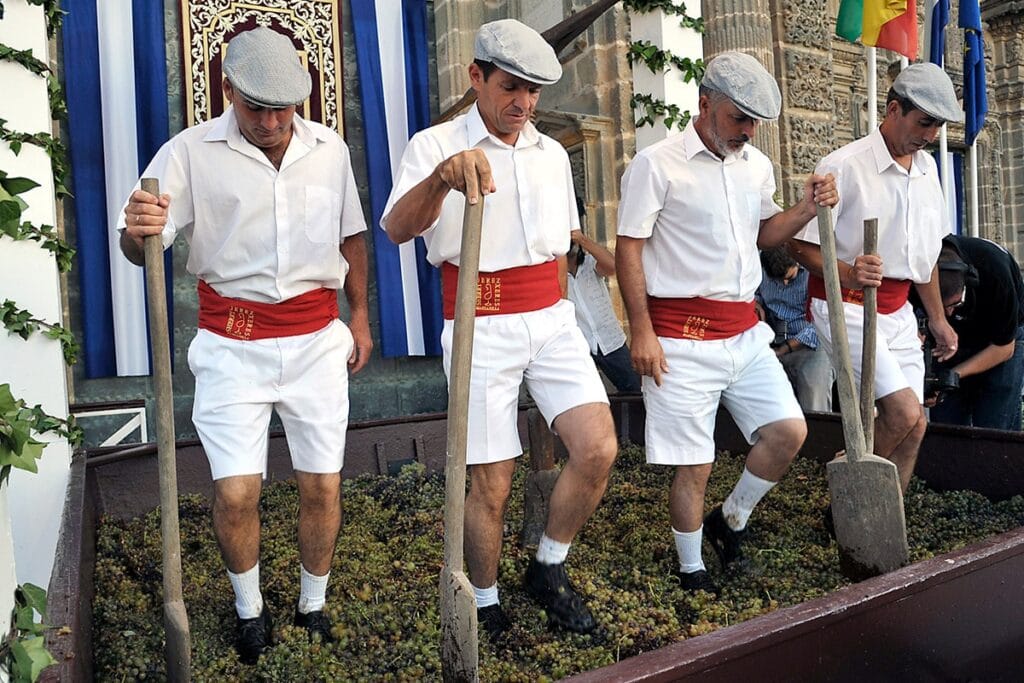
This traditional celebration in Jerez takes place every September and has been declared of International Tourist Interest. Its origins are linked to the harvesting of grapes used to make sherry wines.
The main event of the celebration is the traditional grape stomping, which symbolizes the start of the new wine season. The program includes cultural, religious, and gastronomic activities, such as public tastings, equestrian shows, and concerts. This festival is a comprehensive tourist attraction, combining tangible and intangible heritage.

16. Jerez Christmas drums
This event, which takes place from early December until Christmas Eve, has been declared an Asset of Cultural Interest and is the most authentic expression of Christmas in Jerez, combining the conviviality and citizen participation typical of these festivities to shape a tradition deeply rooted in the local identity. During these celebrations, local wines, traditional pastries, and flamenco-style Christmas carols are the main elements of the zambombas, which are held in squares, courtyards, clubs, and wineries throughout the city.